About Automobile Sensor Assembly
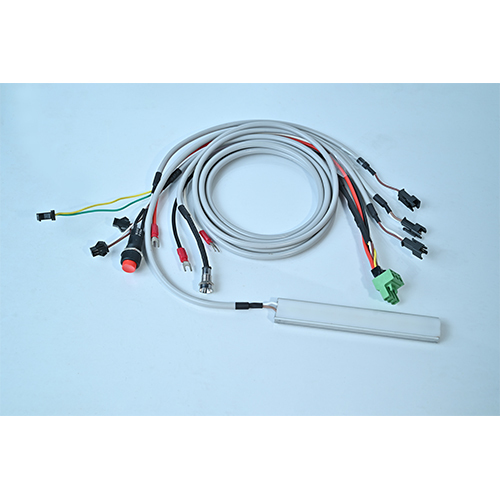
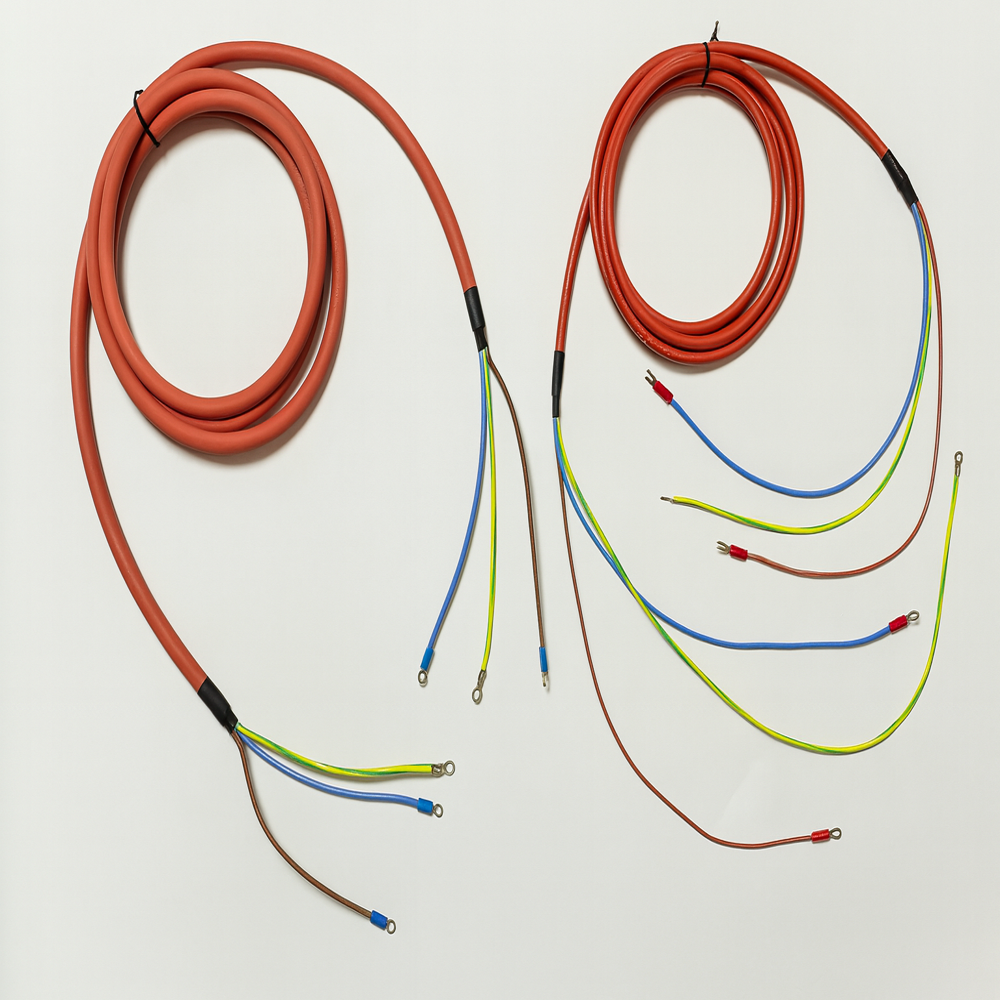
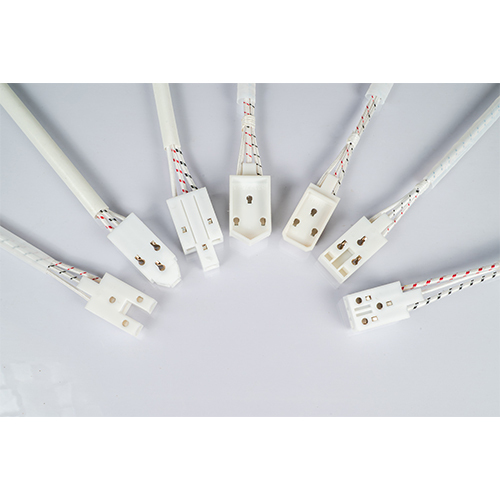
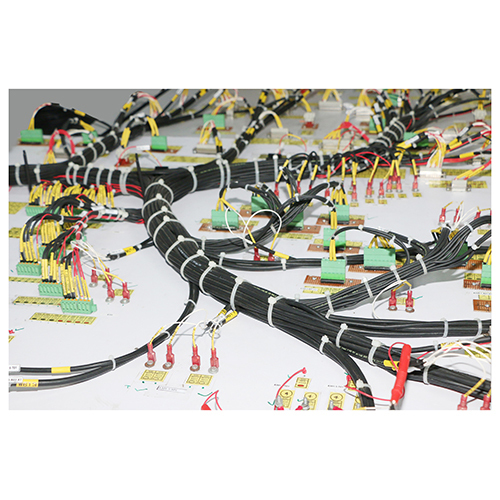
Automobile Sensor Assembly is a critical component designed to monitor, measure, and transmit real-time data from various vehicle systems to the electronic control unit (ECU). These assemblies integrate high-precision sensors, connectors, and wiring to ensure accurate detection of parameters such as temperature, pressure, speed, position, and emissions. Built to withstand harsh automotive environments, including heat, vibration, moisture, and dust, automobile sensor assemblies enhance vehicle performance, safety, fuel efficiency, and emission control. They play a vital role in modern vehicles by supporting advanced features like engine management, ABS, airbag systems, and advanced driver assistance systems (ADAS).
FAQs of Automobile Sensor Assembly:-
Q1. What is an automobile sensor assembly used for?
A. It is used to collect and transmit data from different vehicle systems to the ECU for monitoring, control, and performance optimization.
Q2. Which types of sensors are included in automobile sensor assemblies?
A. Common sensors include temperature sensors, pressure sensors, oxygen sensors, speed sensors, position sensors, and proximity sensors.
Q3. Why are automobile sensor assemblies important?
A. They ensure accurate system monitoring, improve engine efficiency, enhance safety features, reduce emissions, and support smooth vehicle operation.
Q4. Are automobile sensor assemblies durable?
A. Yes, they are designed to withstand extreme temperatures, vibrations, moisture, and chemical exposure found in automotive environments.
Q5. Can automobile sensor assemblies be customized?
A. Yes, they can be customized based on vehicle type, sensor specifications, connector design, wiring length, and application requirements.
Designed for Versatile Automotive ApplicationsOur Automobile Sensor Assembly excels in industrial environments, ensuring precise functionality for automotive systems. Developed to operate efficiently with a single phase and a stable 220 V power supply, its high-quality construction supports uninterrupted operation and long-lasting performance.
Reliable and Durable PerformanceBacked by a 1-year warranty, this sensor assembly offers robust durability and dependable service life. Manufactured using premium materials, it seamlessly integrates into automotive setups, ensuring minimal maintenance and consistent reliability for your industrial needs.
FAQ's of Automobile Sensor Assembly:
Q: How is the Automobile Sensor Assembly installed in industrial automotive systems?
A: The sensor assembly is installed using standard mounting procedures, typically incorporated into the vehicle or equipment's existing wiring network. Professional installation ensures correct connection to a 220 Volt, single-phase supply for optimal functionality.
Q: What makes this automobile sensor assembly suitable for industrial applications?
A: Its robust design, 220 Volt rated voltage, single-phase compatibility, and high-quality construction make it well-suited for demanding industrial automotive environments, ensuring reliable monitoring and control.
Q: When should I consider replacing or maintaining the sensor assembly?
A: Routine checks are recommended annually or according to manufacturer guidelines. If performance deteriorates, accuracy declines, or visible damage occurs, it's advisable to replace the assembly promptly.
Q: Where is this sensor assembly manufactured and supplied from?
A: This sensor assembly is manufactured and supplied by a reputable exporter, manufacturer, and supplier based in India, ensuring international quality standards and reliable service.
Q: What is the process for claiming the 1-year warranty?
A: To claim the warranty, contact your supplier or manufacturer with purchase details and a description of the issue. They will guide you through the claim process and provide repair or replacement as per warranty terms.
Q: How does this assembly benefit automotive industrial users?
A: The assembly enhances performance by ensuring precise monitoring, reducing downtime, and supporting reliable operations, ultimately increasing overall efficiency and productivity in industrial automotive applications.
 Mon-Sat 9:30 AM to 5:30 PM
 08045476895






 Send Inquiry

 Send Inquiry
 Send Inquiry
 Send SMS
 Call Me Free
