About Railway Locomotive Wiring Harness
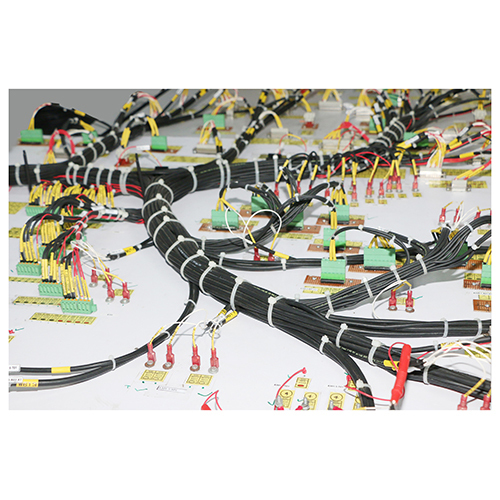
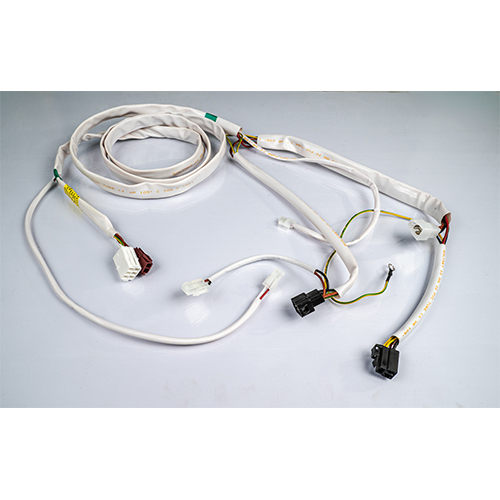
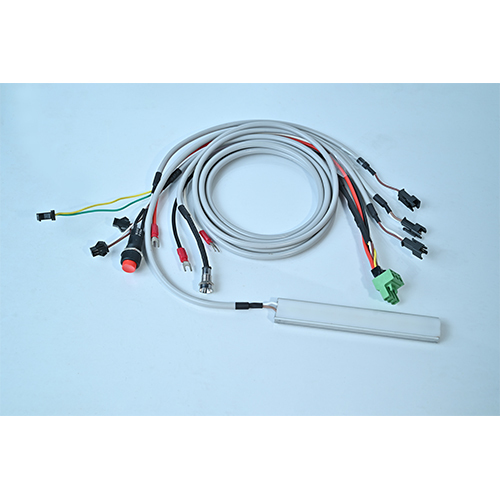
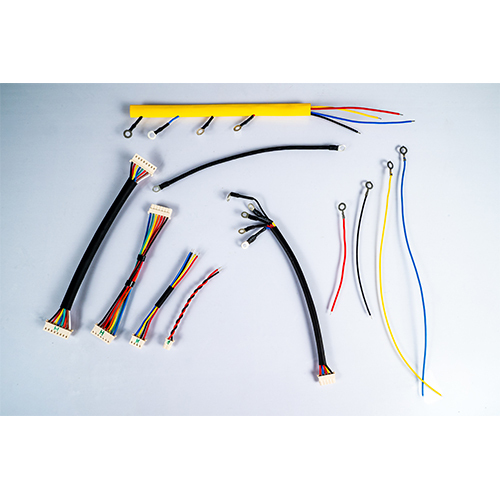
Railway Locomotive Wiring Harness is a heavy-duty electrical assembly designed to ensure reliable power distribution, control, and signal transmission across various locomotive systems. Built using high-quality conductors, flame-retardant insulation, and robust connectors, it is engineered to withstand extreme temperatures, vibration, moisture, dust, and continuous mechanical stress typical of railway operations. These wiring harnesses play a critical role in traction control, braking systems, lighting, communication, and onboard electronics. Widely used in electric and diesel locomotives, metro trains, and rail coaches, railway locomotive wiring harnesses enhance operational safety, reduce maintenance downtime, and ensure long-term performance in demanding rail environments.
FAQs of Railway Locomotive Wiring Harness:-
Q1. What is a railway locomotive wiring harness used for?
A. It is used to connect and manage electrical systems such as traction motors, control units, braking systems, lighting, and communication equipment in locomotives.
Q2. Why are special wiring harnesses required for locomotives?
A. Locomotives operate in harsh conditions, so wiring harnesses must withstand high vibration, temperature variations, moisture, dust, and heavy electrical loads.
Q3. What materials are used in railway locomotive wiring harnesses?
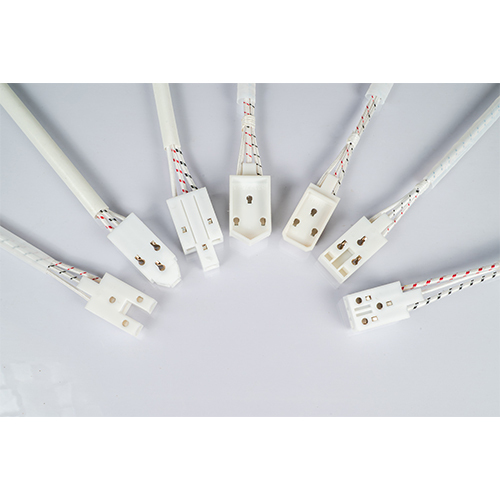
A. They typically use high-grade copper conductors, flame-retardant and heat-resistant insulation, rugged connectors, and protective sleeves or conduits.
Q4. Are railway locomotive wiring harnesses compliant with safety standards?
A. Yes, they are manufactured to meet strict railway and international safety, fire-resistance, and performance standards.
Q5. Can railway locomotive wiring harnesses be customized?
A. Yes, they can be customized according to locomotive type, voltage rating, cable routing, connector specifications, and application requirements.
Engineered For ReliabilityOur wiring harness for railway locomotives exemplifies robust construction and precision engineering. Manufactured to withstand the rigorous demands of railway environments, it utilizes top-grade plastic materials and is produced under stringent quality controls to ensure durability and consistent performance over time.
Seamless CompatibilityDesigned for single-phase operation at a standard 220V and 50Hz frequency, this wiring harness offers seamless integration with industrial railway systems. Its versatile application makes it suitable for various locomotive models, ensuring safety and maintaining electrical efficiency throughout its lifespan.
FAQ's of Railway Locomotive Wiring Harness:
Q: How is the Railway Locomotive Wiring Harness installed in locomotives?
A: The installation process involves routing the wiring harness through designated areas in the locomotive, securely connecting all the necessary electrical components. It is recommended to have a qualified technician or electrician handle the installation to maintain safety and operability.
Q: What features make this wiring harness suitable for industrial railway applications?
A: This harness is constructed from high-quality plastic for enhanced durability, operates at a rated voltage of 220V, and supports a frequency of 50Hz. Its robust build ensures it withstands industrial environments, making it ideal for railway locomotive applications.
Q: When should the Railway Locomotive Wiring Harness be replaced or inspected?
A: Periodic inspection is recommended during regular locomotive maintenance. Replacement should be considered if there are signs of wear, damage, or malfunction, or at the end of its operational warranty, which is 1 year.
Q: Where is this wiring harness manufactured and supplied from?
A: We manufacture and supply the Railway Locomotive Wiring Harness from India, serving both domestic and international markets as a reliable exporter, manufacturer, and supplier.
Q: What is the process for ordering and receiving the wiring harness?
A: You can contact our sales team directly with your requirements. After your order is confirmed, the product undergoes a quality check before shipment. Delivery timelines vary based on location, and detailed documentation is provided upon dispatch.
Q: How is the wiring harness beneficial to railway locomotive operators?
A: Using this wiring harness delivers safe and dependable power distribution, reduces downtime due to electrical faults, and ensures the longevity of locomotive electrical systems, thanks to its high-quality materials and engineering.
Q: What materials are used in the wiring harness, and what color is it?
A: The harness is made from top-quality plastic, offering insulation and protection, and comes in a standard black color for easy identification during installation or inspection.
 Mon-Sat 9:30 AM to 5:30 PM
 08045476895





 Send Inquiry

 Send Inquiry
 Send Inquiry
 Send SMS
