About UPS Wiring Harness
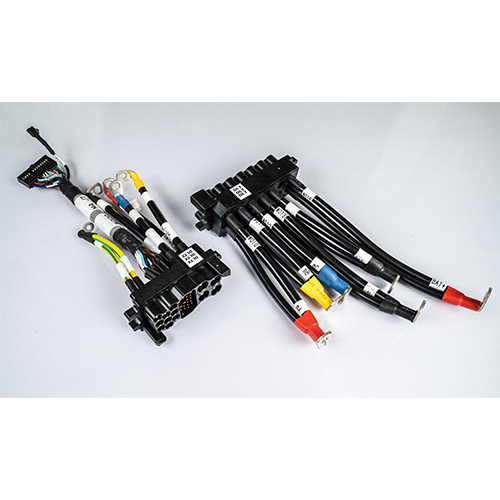
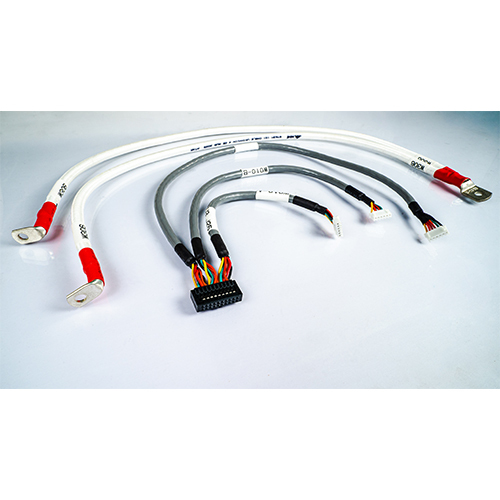
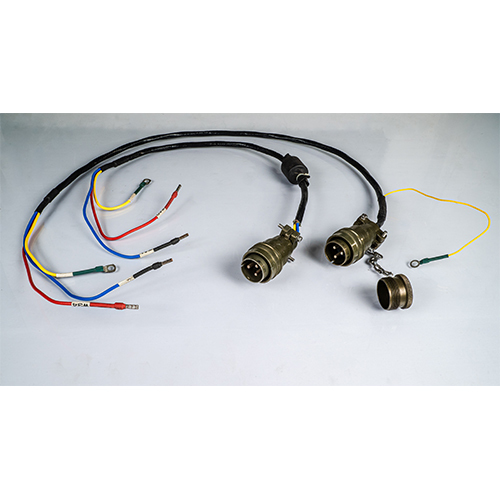
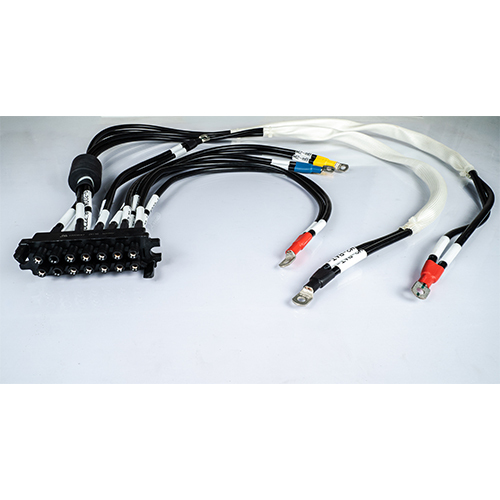
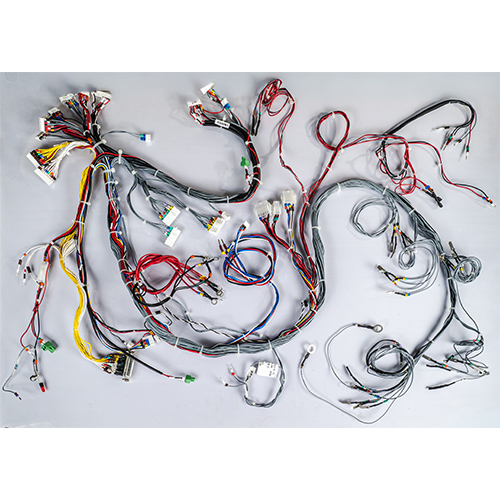
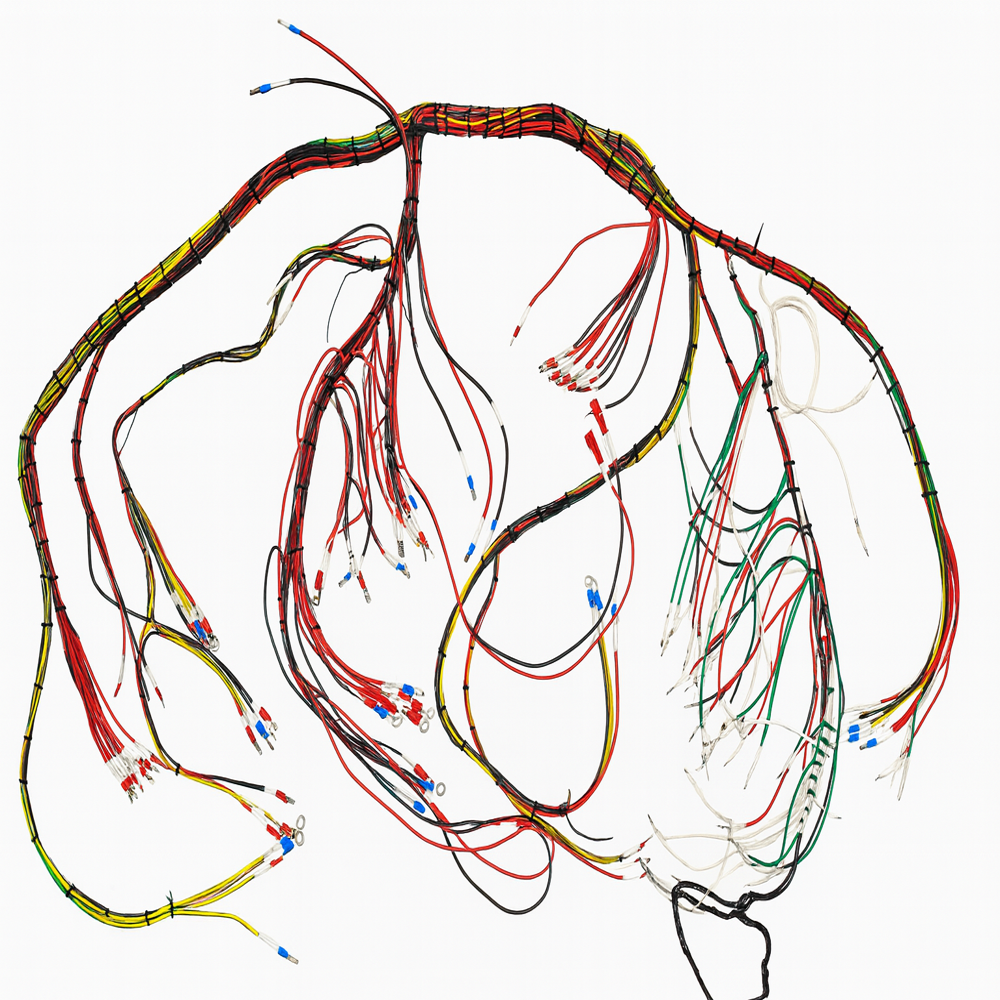
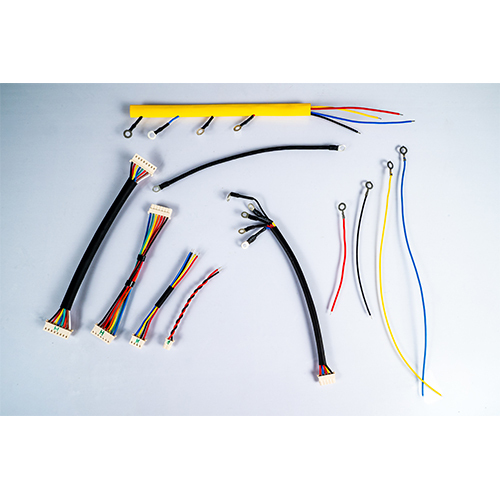
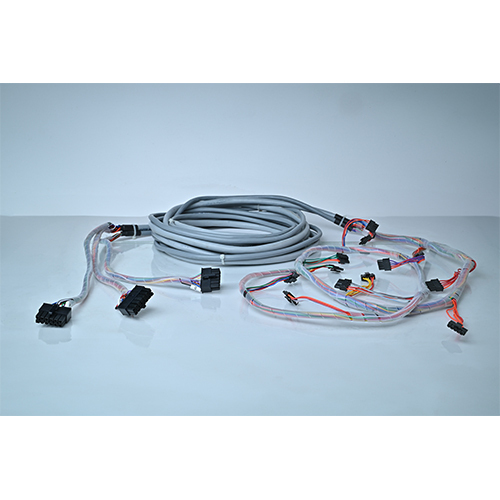
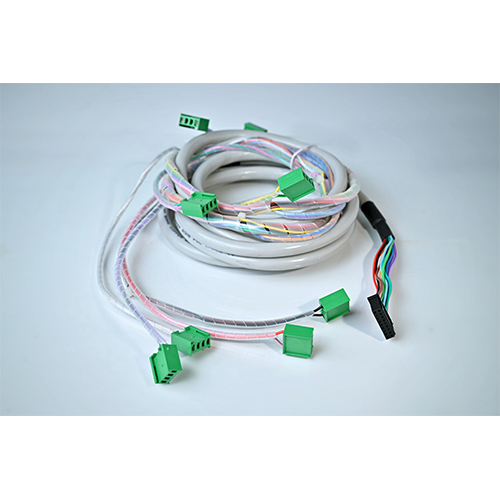
UPS Wiring Harness is a critical electrical assembly designed to ensure reliable and efficient power connectivity within Uninterruptible Power Supply (UPS) systems. Engineered using high-quality copper conductors, flame-retardant insulation, and heavy-duty connectors, it supports stable power flow between batteries, inverters, rectifiers, and control circuits. The wiring harness is built to handle high current loads, heat, and continuous operation, making it ideal for residential, commercial, and industrial UPS applications. By providing organized wiring, enhanced safety, and reduced power loss, UPS wiring harnesses improve system reliability, simplify installation, and extend overall UPS performance life.
FAQs of UPS Wiring Harness:-
Q1. What is a UPS wiring harness used for?
A. It is used to connect batteries, inverters, rectifiers, control panels, and protection circuits within a UPS system.
Q2. Why is a dedicated wiring harness important in UPS systems?
A. A dedicated wiring harness ensures stable power transmission, reduces electrical losses, enhances safety, and supports continuous backup operation.
Q3. What materials are used in UPS wiring harnesses?
A. UPS wiring harnesses typically use copper conductors, flame-retardant and heat-resistant insulation, heavy-duty terminals, and secure connectors.
Q4. Can UPS wiring harnesses handle high current loads?
A. Yes, they are specifically designed to handle high current and voltage demands safely during charging and backup modes.
Q5. Are UPS wiring harnesses customizable?
A. Yes, they can be customized according to UPS capacity, voltage rating, wire gauge, connector type, and installation requirements.
Engineered for Industrial ReliabilityOur UPS Wiring Harness is purpose-built to meet the stringent demands of industrial environments. With a single-phase, 220 Volt rating at 50 Hertz frequency, it ensures continuous and stable operation. The absence of a display emphasizes its practicality and robustness, making it a dependable solution for wide-scale industrial deployment.
Trusted Manufacturer, Exporter & SupplierProudly manufactured and exported from India, our company is recognized for its commitment to quality and service. The UPS Wiring Harness is distributed globally, ensuring businesses receive products that adhere to international safety and performance standards.
FAQ's of UPS Wiring Harness:
Q: How do I install the UPS Wiring Harness in an industrial UPS system?
A: To install the UPS Wiring Harness, carefully connect it to the corresponding terminals of your single-phase UPS system rated at 220V, ensuring the power is off during installation. Follow manufacturer guidelines for wiring and safety precautions to achieve optimal performance.
Q: What is the main benefit of using this UPS Wiring Harness?
A: The primary benefit is its reliable power delivery and secure connections within industrial UPS systems. Designed for durability, it reduces the likelihood of electrical faults, ensuring uninterrupted power supply and system longevity.
Q: When should I consider replacing the UPS Wiring Harness?
A: Replacement should be considered if there are visible signs of wear, damage, or if performance issues like intermittent connections occur. It is recommended to inspect the harness during regular maintenance and replace it at least within the one-year warranty period if defects are found.
Q: Where can I use this UPS Wiring Harness?
A: This wiring harness is suited for a broad range of industrial UPS applications where a single-phase, 220V, 50Hz power supply is required. It is used across manufacturing plants, warehouses, and other industrial facilities.
Q: What is the process for warranty claims?
A: Should an issue arise within the one-year warranty period, contact our support team with your purchase details. We will guide you through the claim process, including troubleshooting, potential replacement, or repair as required.
Q: How does the absence of a display affect its operation?
A: Without a display, the harness focuses entirely on ensuring robust and safe electrical performance. This design minimizes potential points of failure and simplifies operation, making it ideal for demanding industrial environments.
 Mon-Sat 9:30 AM to 5:30 PM
 08045476895





 Send Inquiry

 Send Inquiry
 Send Inquiry
 Send SMS
