About Wiring Loom
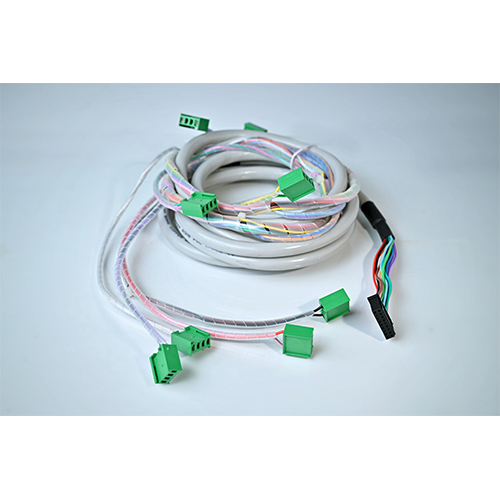
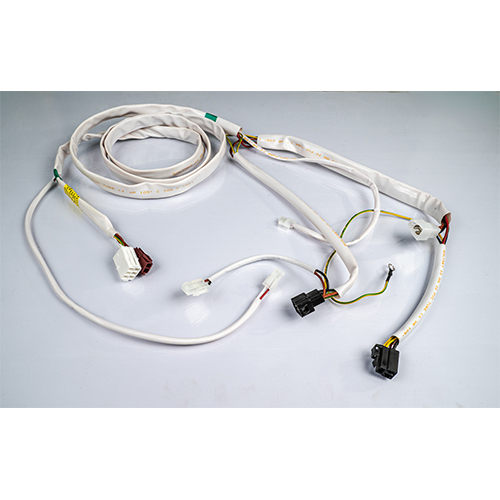
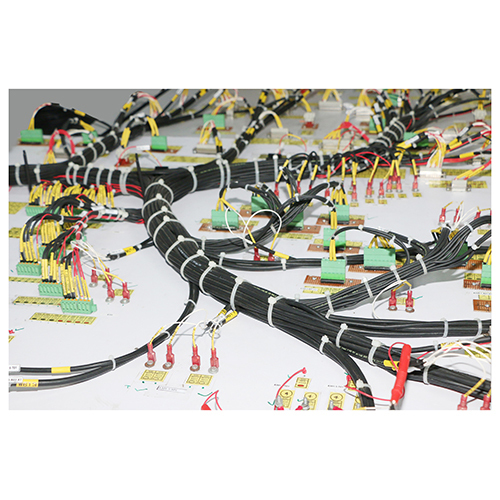
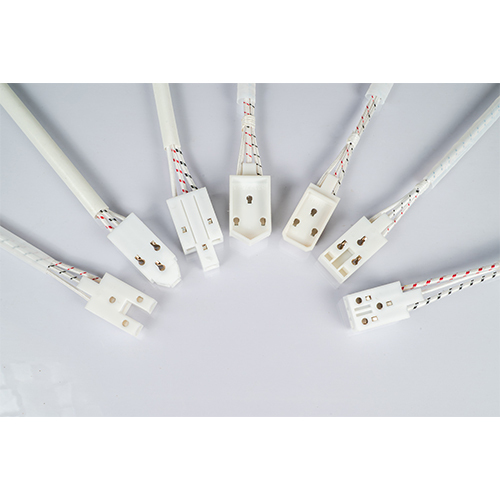
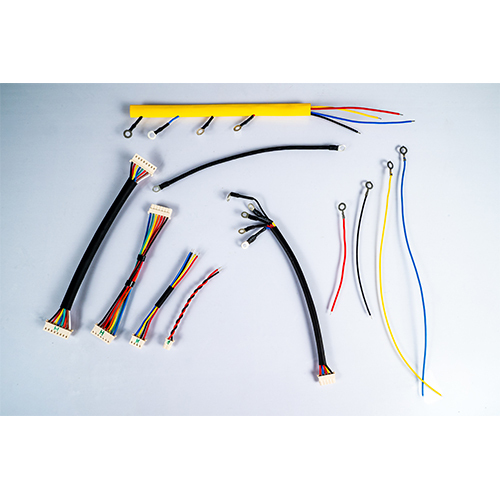
Wiring Loom is an organized assembly of electrical wires, cables, and connectors bundled together to ensure safe, efficient, and reliable power and signal transmission. Designed to protect wiring from abrasion, heat, moisture, vibration, and mechanical damage, wiring looms improve durability and simplify installation. They are widely used in automotive, industrial machinery, appliances, control panels, and electronic equipment. By reducing clutter and minimizing electrical faults, wiring looms enhance system performance, ease of maintenance, and overall operational safety while meeting industry quality and safety standards.
FAQs of Wiring Loom:-
Q1. What is a wiring loom used for?
A. A wiring loom is used to organize and protect electrical wires while ensuring reliable connections between different components.
Q2. What is the difference between a wiring loom and a wiring harness?
A. A wiring loom focuses on bundling and protecting wires, while a wiring harness is a more complete assembly that includes connectors, terminals, and specific routing for electrical systems.
Q3. Where are wiring looms commonly used?
A. Wiring looms are commonly used in automotive systems, industrial equipment, appliances, control panels, and electronic devices.
Q4. What materials are used in wiring looms?
A. They are typically made using insulated wires, protective sleeves, conduits, tapes, cable ties, and sometimes corrugated tubes.
Q5. Can wiring looms be customized?
A. Yes, wiring looms can be customized based on wire size, length, protection type, insulation material, and application-specific requirements.
Reliable Performance for Industrial DemandsThis Wiring Loom, engineered for resilience, is ideally suited to industrial and automobile settings that demand uninterrupted electrical performance. Its robust PVC insulation offers optimal protection, helping guard against external elements and wear. By leveraging advanced manufacturing processes, we ensure each wiring loom meets rigorous quality standards, supporting your projects with consistent reliability.
Quality Assurance & WarrantyWe back our Wiring Loom with a comprehensive 1-year warranty, reflecting our commitment to product excellence and customer satisfaction. The use of premium-grade PVC and adherence to strict quality control during manufacturing mean you receive a product you can trust. Rely on us as your exporter, manufacturer, and supplier from India for products that perform.
FAQ's of Wiring Loom:
Q: How is the Wiring Loom installed in industrial and automobile settings?
A: The Wiring Loom can be installed using standard mounting and fixing methods commonly employed in industrial and automobile environments, such as routing through designated pathways and securing with cable ties or clips. Always follow safety guidelines and consult an electrician for proper installation.
Q: What are the main benefits of using a Wiring Loom with a PVC jacket?
A: A Wiring Loom with a PVC jacket provides excellent insulation, mechanical protection against abrasion, and resistance to chemicals and moisture. This ensures durability and safety in both industrial and automotive applications.
Q: When should I consider replacing my existing wiring with this Wiring Loom?
A: You should replace your existing wiring if you notice signs of wear, insulation damage, or performance issues. The provided wiring loom's 1-year warranty and robust construction make it an ideal upgrade for enhanced reliability.
Q: Where is this Wiring Loom manufactured and supplied from?
A: This Wiring Loom is manufactured and supplied from India. As exporters, manufacturers, and suppliers, we cater to both local and international industrial and automotive markets.
Q: What is the process for claiming warranty on this Wiring Loom?
A: To claim the 1-year warranty, contact our customer support with details of your purchase and a description of the issue. Our team will guide you through the necessary steps, which may include inspection and product replacement if applicable.
Q: How should this Wiring Loom be used for optimal performance?
A: For best results, use the Wiring Loom within its rated voltage of 220 Volt (V) in single-phase applications, ensuring connections are secure and properly routed. Avoid exposure to extreme conditions not suited for PVC insulation to maximize longevity.
 Mon-Sat 9:30 AM to 5:30 PM
 08045476895





 Send Inquiry

 Send Inquiry
 Send Inquiry
 Send SMS
